
Europe doesn’t run on one throne or one title. Power here is layered — spread across national leaders, EU institutions, economic gatekeepers, and figures whose influence is felt even from outside the bloc. That’s why POLITICO’s annual power ranking isn’t about popularity or election wins, but about who actually moves the pieces.
Based on wider political, economic, and institutional context, here is the most accurate picture of who holds real power in Europe — and why.
1. Giorgia Meloni
Prime Minister of Italy
POLITICO’s choice for the most powerful person in Europe isn’t a Brussels bureaucrat or a traditional heavyweight like Germany or France — it’s Italy’s prime minister. Meloni has achieved something few leaders manage: becoming simultaneously acceptable to Brussels, indispensable to Washington, and influential with emerging global power brokers.
Once dismissed as an ultranationalist outsider, Meloni is now widely seen as a bridge between Europe and the new American political establishment, while also anchoring EU unity on Ukraine and NATO. When global players want “Europe on the line,” Meloni increasingly answers the call — and that is power in its purest form.
2. Ursula von der Leyen
President of the European Commission
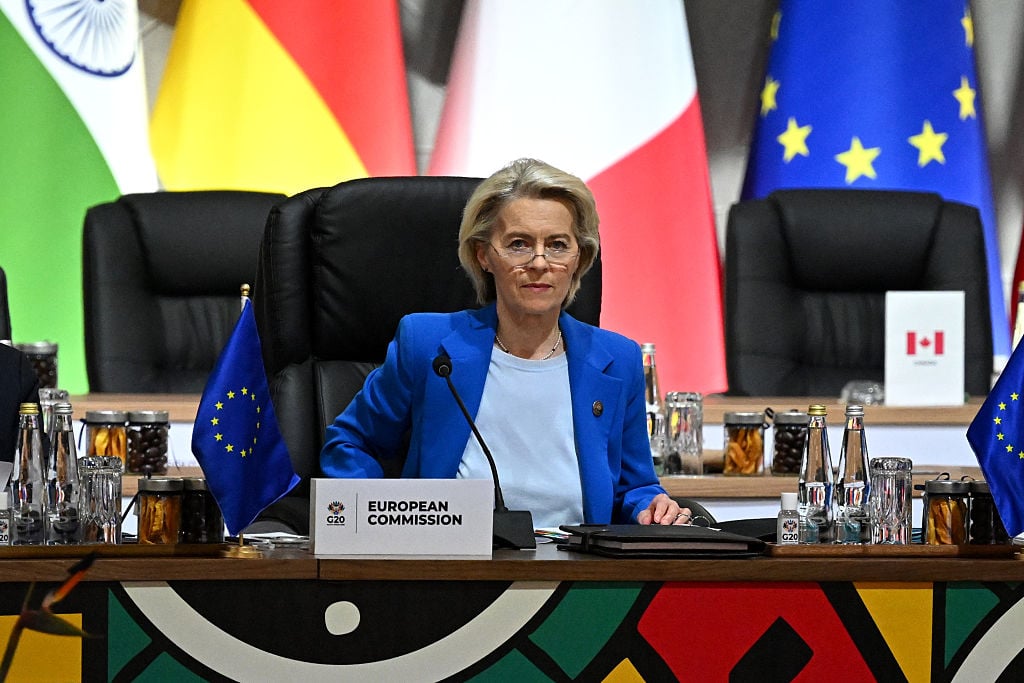
Von der Leyen remains the institutional heart of Europe. She proposes EU laws, steers regulation that reshapes global markets, and controls the policy machinery behind sanctions, climate rules, and industrial strategy.
Reconfirmed for a second term, her power is structural rather than charismatic — but it is enormous. From digital regulation to defense-industrial coordination, few major European decisions move forward without first passing through her Commission.
3. vladimir putin
president of Russia
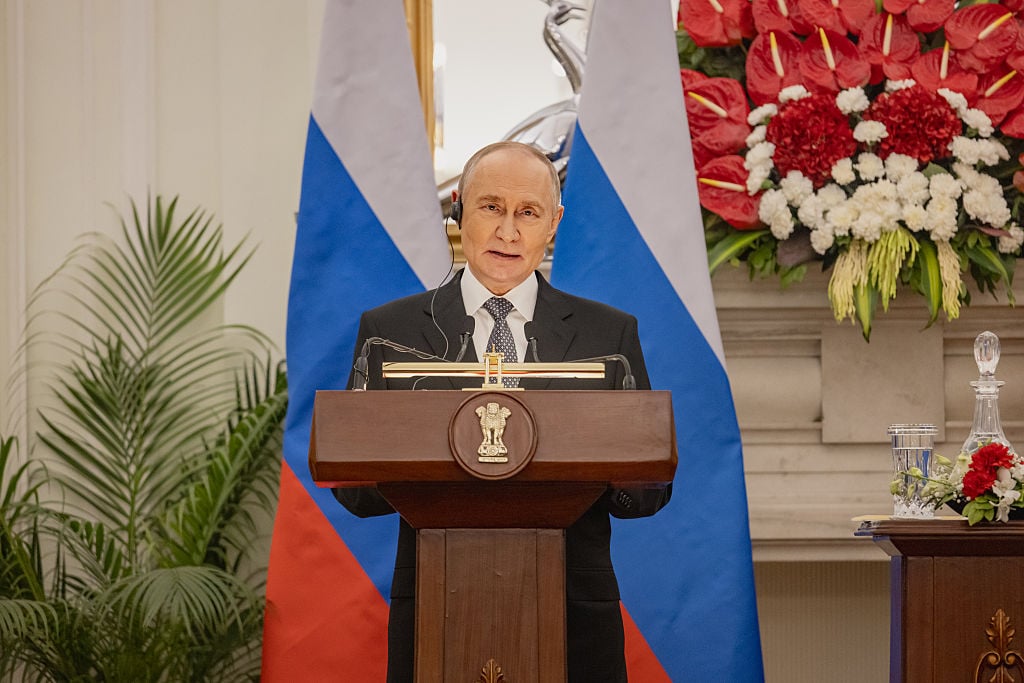
He’s relevance to Europe exists solely because of the war he unleashed on Ukraine. His full-scale invasion has brought mass destruction, civilian deaths, and systematic violations of international law, turning him into the primary source of instability on the continent. Europe’s security crisis, rising defense budgets, and energy turmoil are direct consequences of his aggression.
putin does not influence Europe through diplomacy or cooperation, but through violence, intimidation, and deliberate destabilization. His actions in Ukraine have forced European nations to confront the dangers of authoritarian expansionism and ongoing war at their borders.
4. Donald Tusk
Prime Minister of Poland
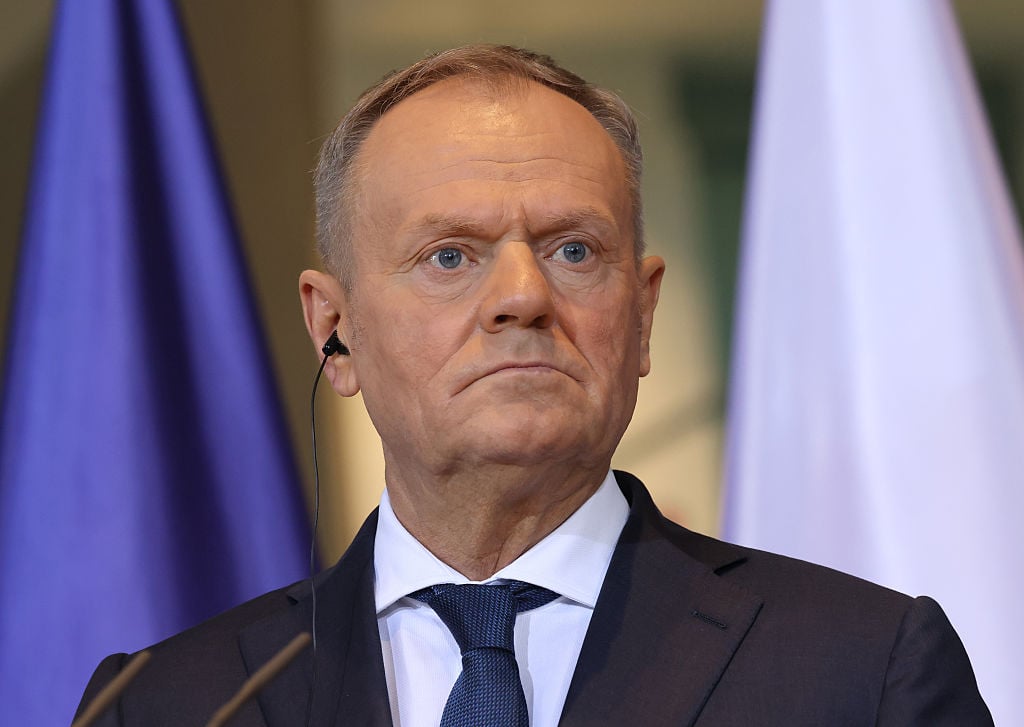
Tusk’s return to power restored Poland’s centrality in Brussels almost overnight. A veteran European leader with deep institutional memory, he has repositioned Warsaw as a pillar of the pro-European, pro-Ukraine axis in Eastern Europe.
In a continent where security now runs east to west, Poland’s voice matters — and Tusk knows exactly how to use it.
5. Nadia Calviño
President of the European Investment Bank
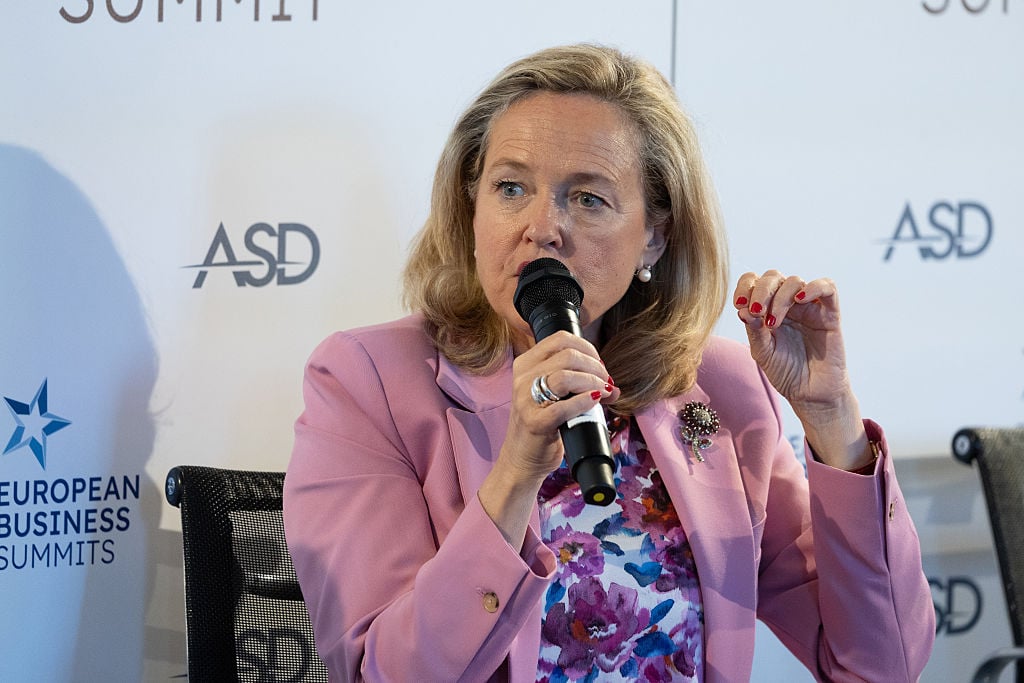
Power doesn’t always wear a flag. As head of the EIB, Calviño controls one of Europe’s most potent — and least visible — levers: capital.
From climate transition to infrastructure and industrial financing, the EIB shapes what Europe can actually build. In 2025, that makes Calviño one of the quiet architects of Europe’s future economy.
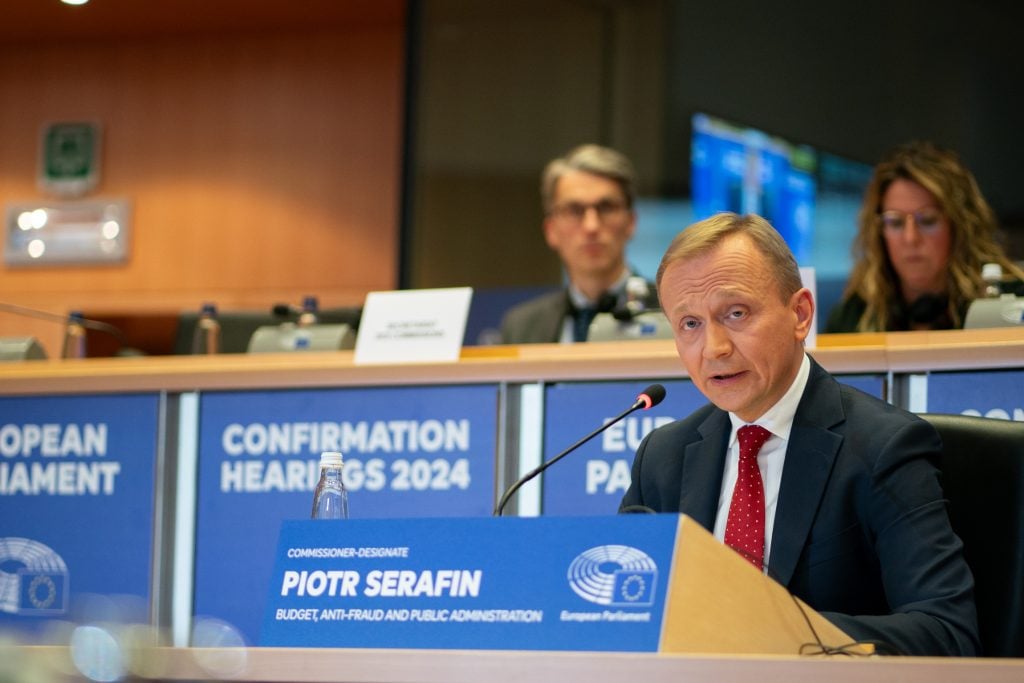
6. Piotr Serafin
European Commissioner for Budget
Serafin represents a newer kind of European power: technical, administrative, and deeply consequential. He oversees how EU money is allocated at a time when budgets are political weapons — funding defense, reconstruction, and strategic autonomy.
He rarely makes headlines, but his influence is felt everywhere money decides policy.
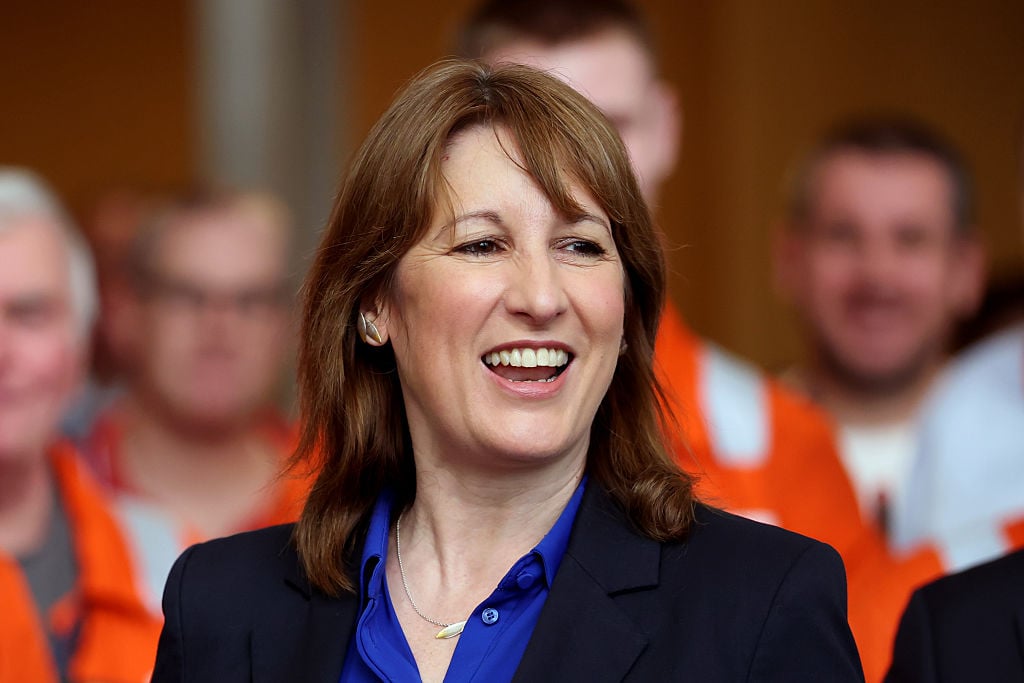
7. Rachel Reeves
UK Chancellor of the Exchequer
Outside the EU but far from irrelevant, Reeves has become one of the most influential economic figures in Europe. London remains a financial hub, a Ukraine ally, and a diplomatic heavyweight — and Reeves’ economic strategy shapes how Britain re-engages with the continent post-Brexit.
Her presence on the list confirms a simple truth: Europe’s power ecosystem still includes the UK, whether Brussels likes it or not.
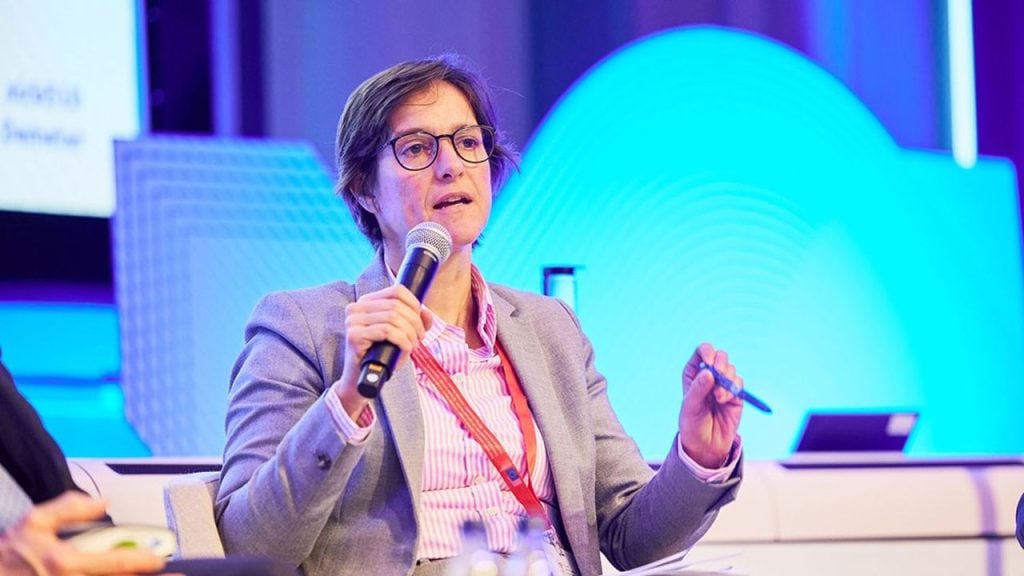
8. Stéphanie Riso
Director-General for Budget, European Commission
Riso embodies the idea that power lives in spreadsheets as much as speeches. As the Commission’s top budget official, she helps determine which policies survive reality and which remain political dreams.
In an era of fiscal constraint and permanent crisis management, that role is anything but secondary.
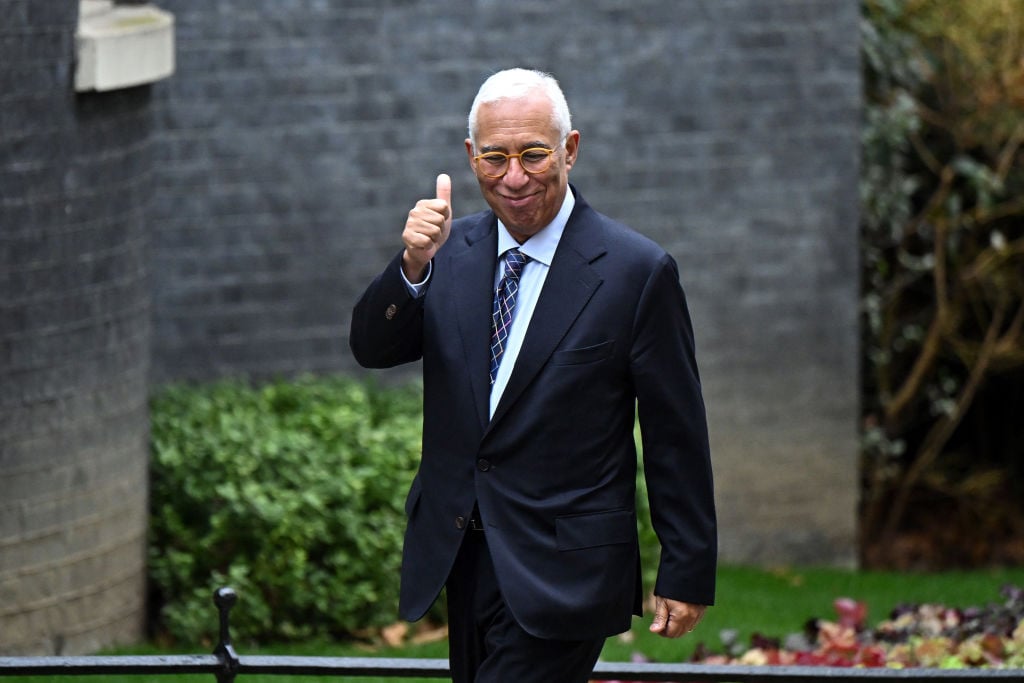
9. António Costa
President of the European Council
Costa doesn’t govern a country anymore — he governs consensus. As president of the European Council, he controls summit agendas, mediates between rival leaders, and decides when compromise becomes unavoidable.
In a fragmented Europe, the ability to keep 27 leaders talking is a form of power that rarely gets applause — but often decides outcomes.
10. Sabine Weyand
Director-General for Trade, European Commission
Trade policy is one of the EU’s strongest global tools, and Weyand is the one shaping it. From supply-chain security to strategic autonomy, her decisions affect everything from prices to geopolitics.
Her influence is a reminder that Europe’s power often operates through rules, standards, and agreements — not force.
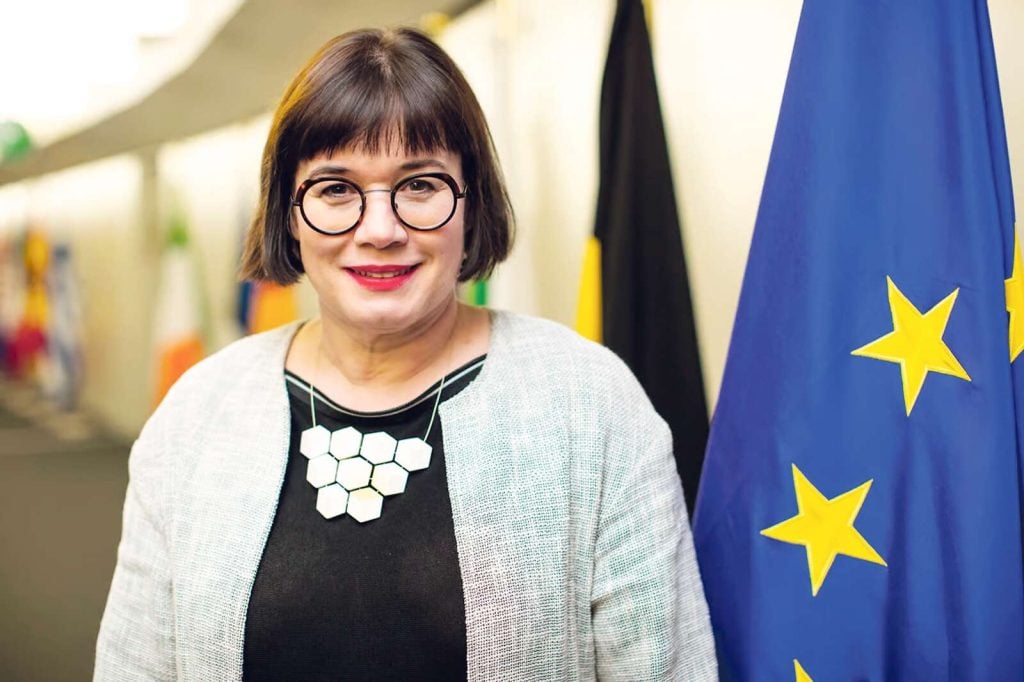
11. Friedrich Merz
Chancellor of Germany
Germany’s economic weight alone guarantees influence, but Merz’s leadership also signals a broader reshaping of European conservatism. His voice carries particular weight in debates on fiscal rules, defense spending, and industrial competitiveness.
When Berlin shifts its position, Europe listens — even if it doesn’t always agree.
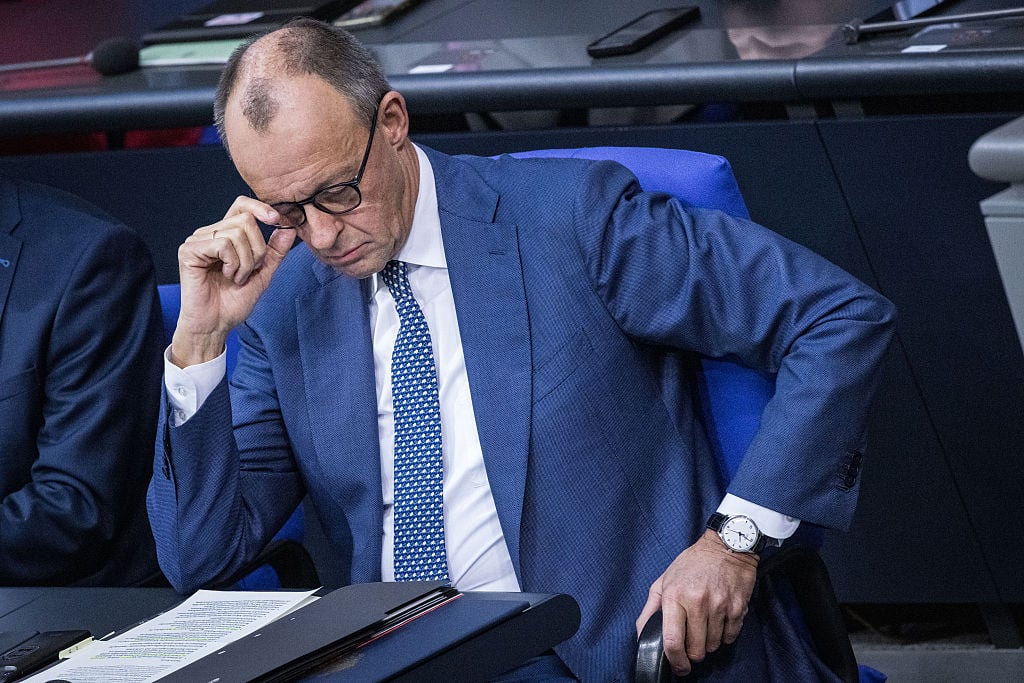
12. Teresa Ribera
Executive Vice-President of the European Commission
Climate policy isn’t a side issue anymore — it’s a power axis. Ribera oversees Europe’s green transition at a moment when energy security, competitiveness, and climate goals collide.
Her prominence shows how climate and energy have become central to political authority, not just environmental ambition.
What This Ranking Really Shows
Europe in 2025 is not led by charisma alone. Power now flows through institutions, budgets, security pressures, and economic control. Some figures dominate headlines; others dominate outcomes.
Together, these leaders form a map of influence, not a popularity contest — and watching how they interact offers one of the clearest signals of where Europe is headed next.