
Choosing where to travel is only half the decision; choosing when to go can completely transform the experience. A beach that feels idyllic in January might be drenched in rain six months later, while a city that swelters in midsummer can become wonderfully walkable in spring. Weather, crowds, seasonal events, and daylight hours all matter, which is why timing deserves as much attention as the destination itself.
This month-by-month guide matches destinations with periods when they offer particularly appealing conditions. Think Costa Rica during its Pacific dry season, Japan as spring begins to unfold, Scotland under long summer days, and Finnish Lapland transformed into the snowy landscape many travelers dream about in December.
There is one deliberate gap: October. Rather than forcing a destination into the calendar, this list follows the places specified and focuses on why each pairing works. No month guarantees perfect weather, of course—climate varies by region and year—but smart timing can give you a much better chance of experiencing a destination at its best.
January — Costa Rica
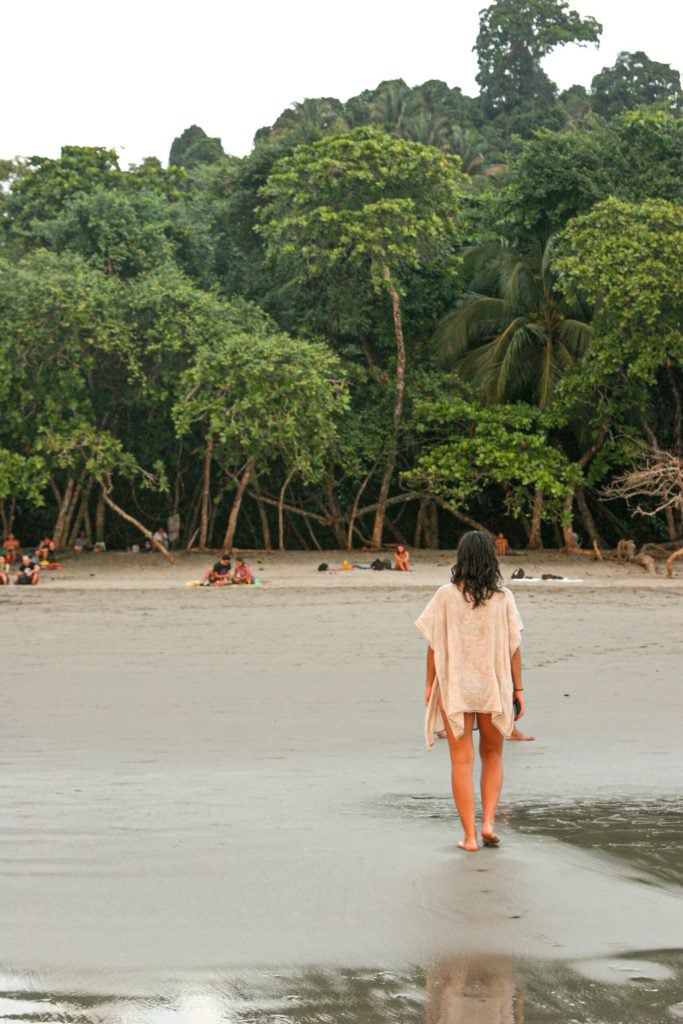
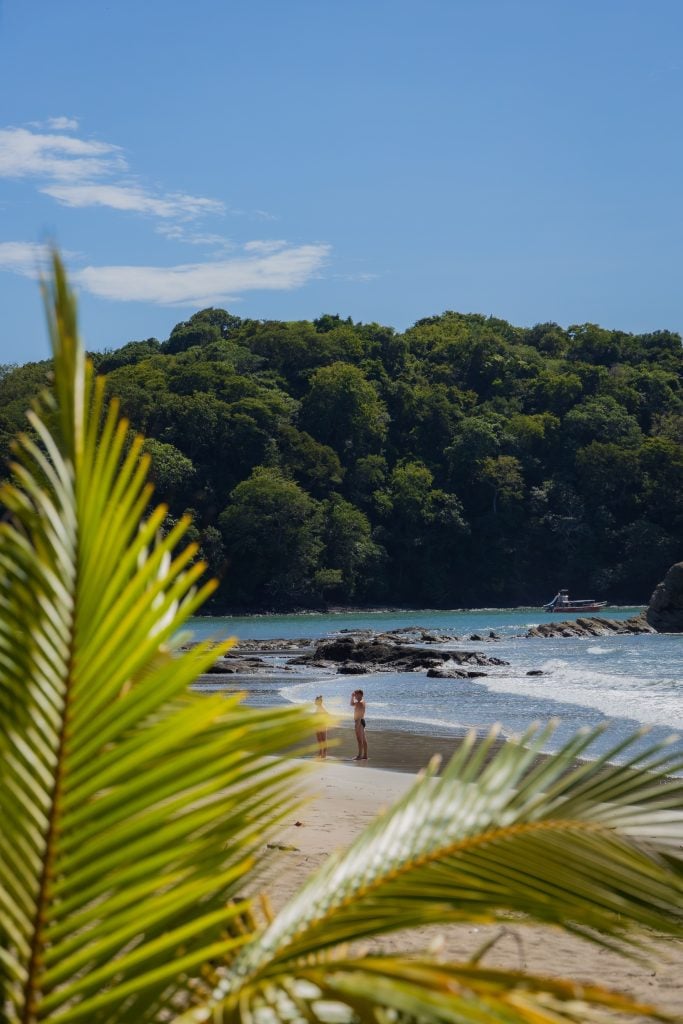
January falls within Costa Rica’s dry season on the Pacific side and in the Central Valley, making it an excellent time for beaches, national parks, and wildlife adventures. Explore Manuel Antonio, hike around Arenal Volcano, or head toward Guanacaste for sunshine and warm Pacific water. It is peak season, though, so popular hotels and tours are worth reserving well ahead.
 View 35 photos
 View 35 photos
 View 35 photos
February — New Zealand
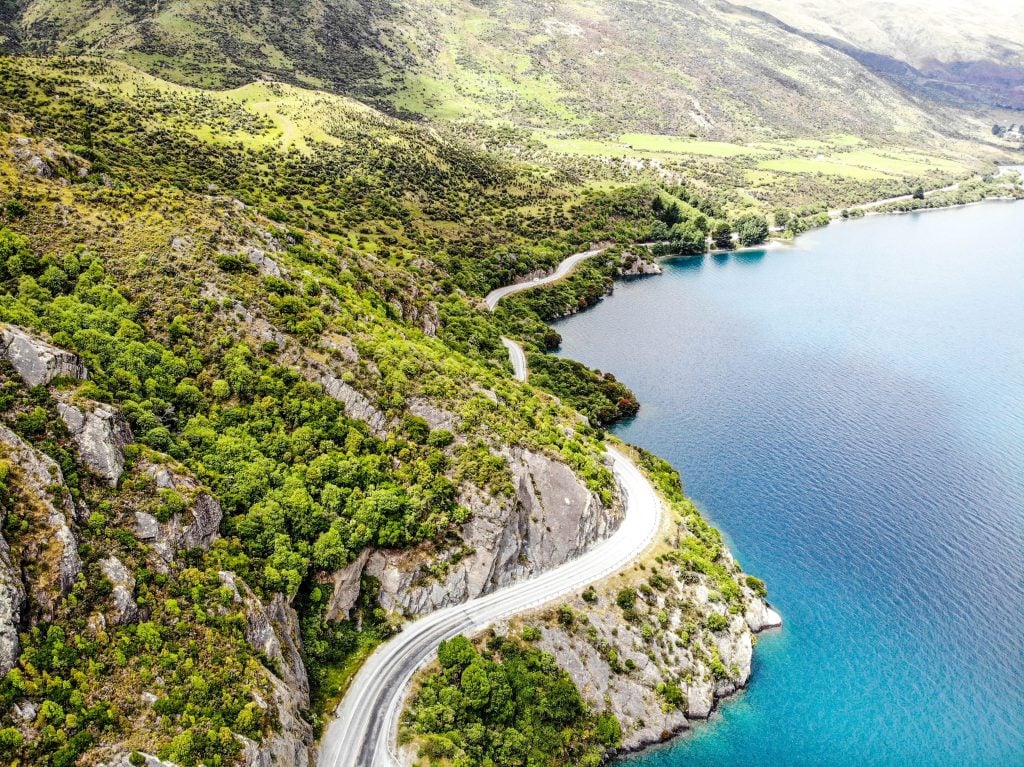
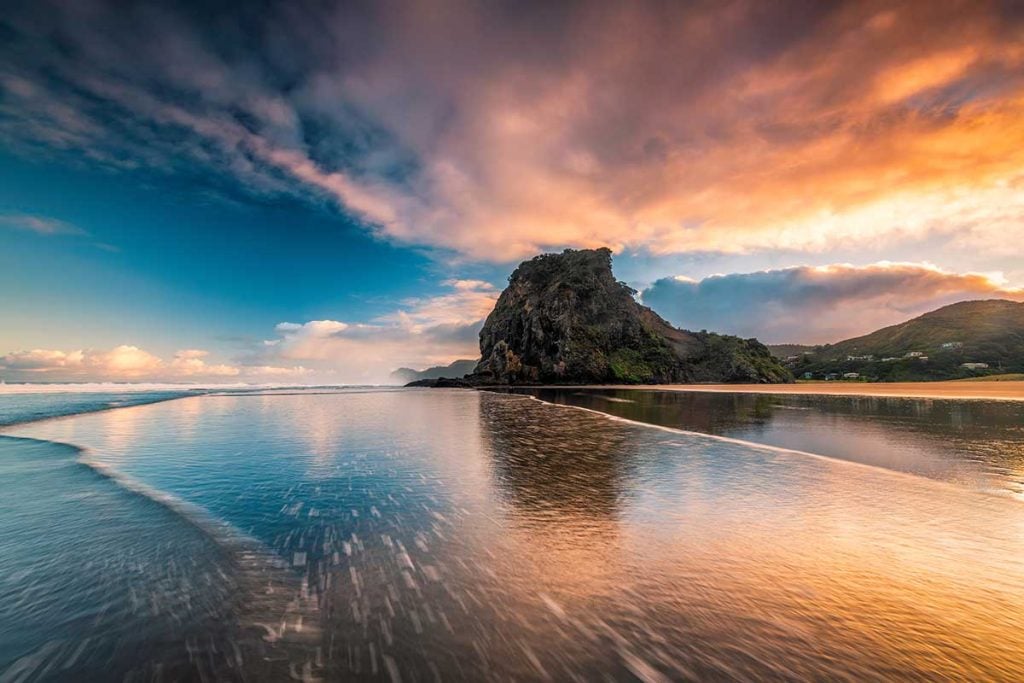
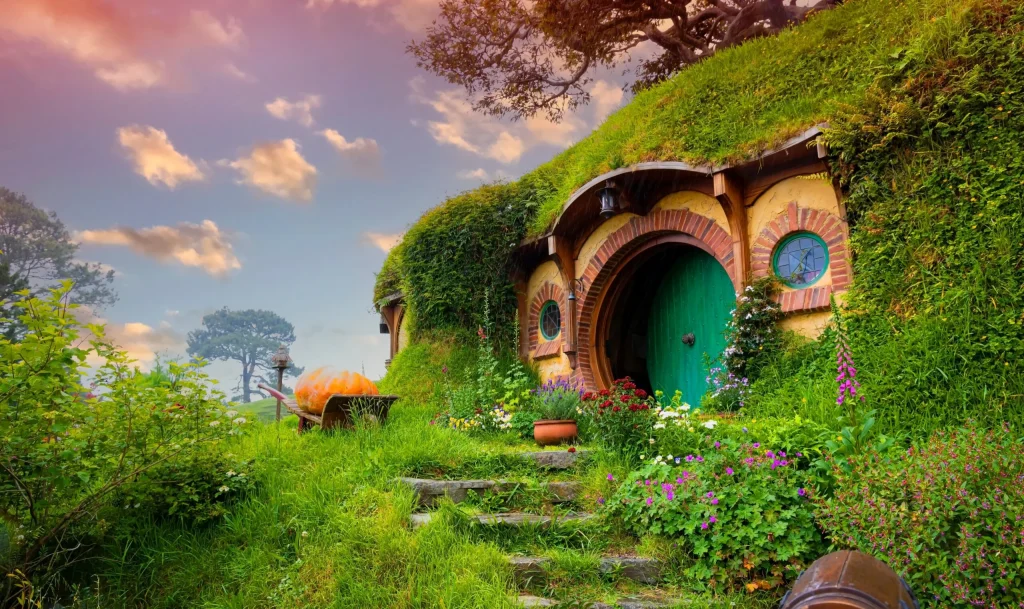
February brings late summer to New Zealand, with long days and generally warm conditions ideal for exploring outdoors. It is a wonderful month for South Island road trips, hiking, beaches, and vineyard visits. Queenstown and Fiordland showcase the country’s dramatic landscapes, while the North Island offers everything from geothermal Rotorua to the beaches around Auckland and Northland.
 View 35 photos
 View 35 photos
 View 35 photos
March — Japan
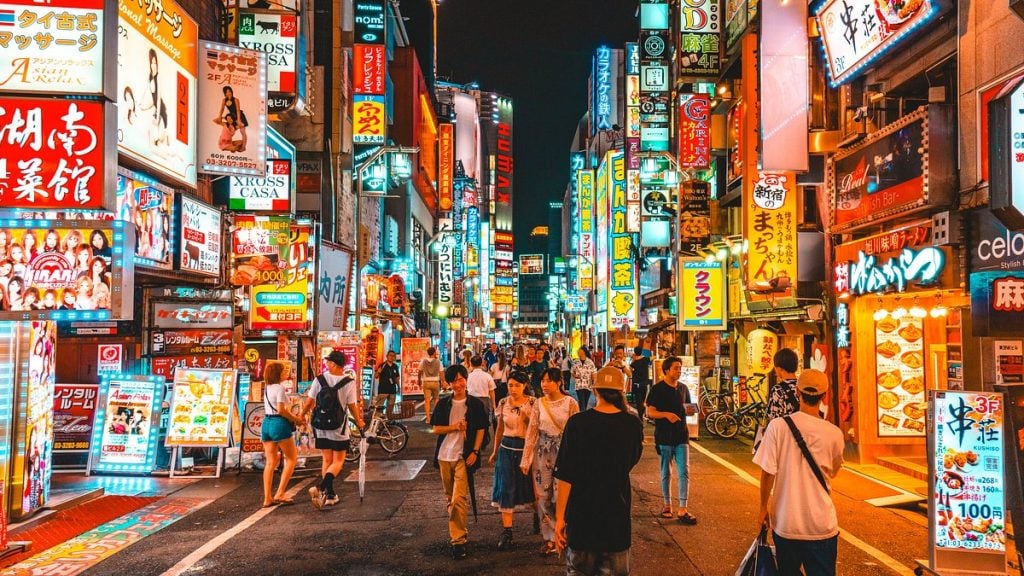
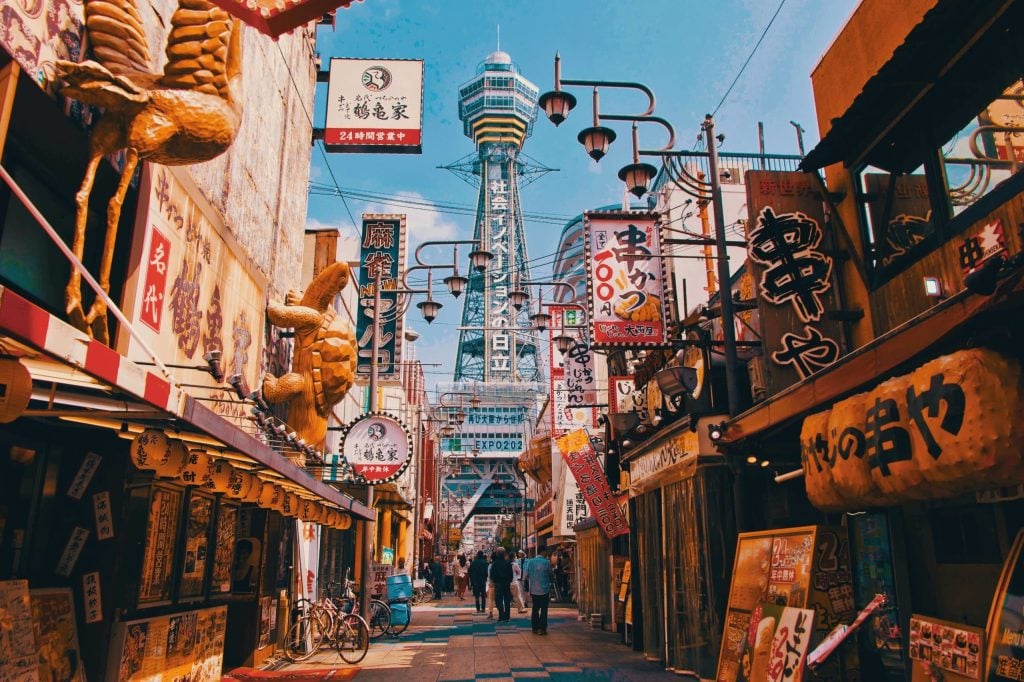
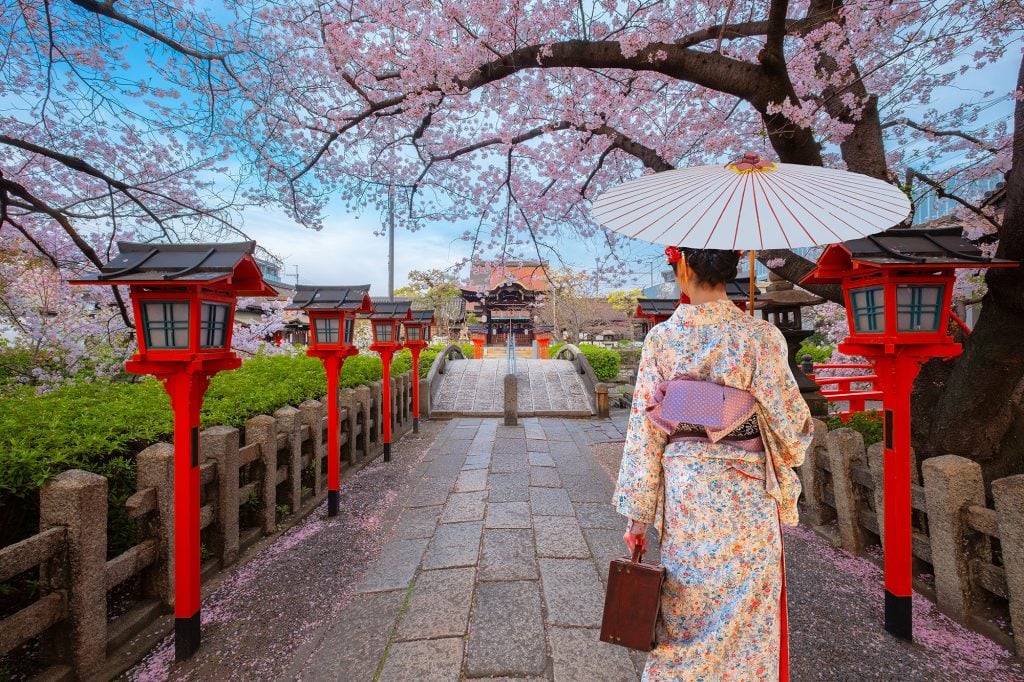
March marks Japan’s transition into spring. Temperatures become milder in much of the country, and plum blossoms add color before the main cherry blossom season. Sakura can begin appearing in warmer regions toward the second half of March, although peak dates vary considerably each year. Tokyo, Kyoto and Osaka make a classic first itinerary.
 View 35 photos
 View 35 photos
 View 35 photos
April — Morocco
April offers a comfortable middle ground in Morocco: generally warmer than winter without the intense summer heat found in many inland areas. It is a particularly pleasant period for wandering through Marrakech, exploring Fez or traveling toward the Atlas Mountains. Desert trips are also more manageable before temperatures climb sharply later in the year.
May — Greece
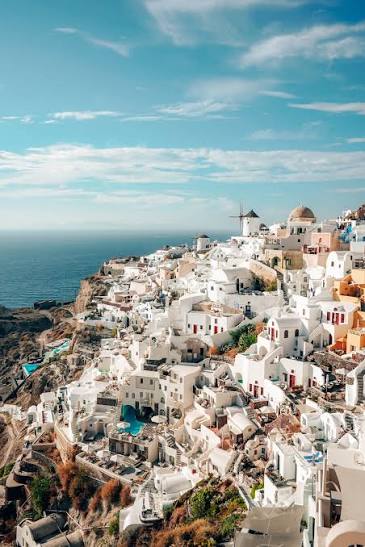
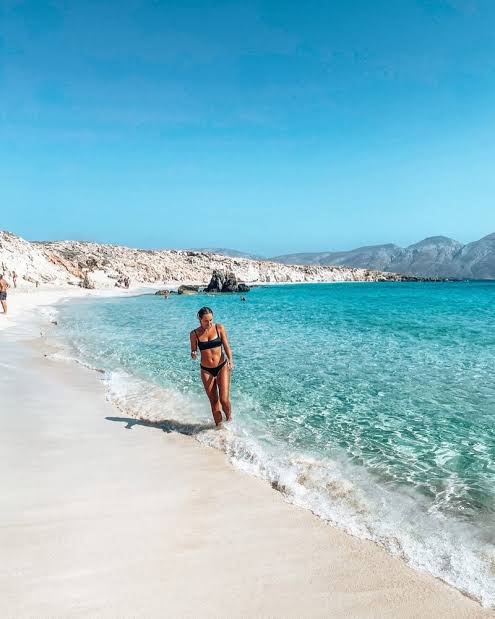
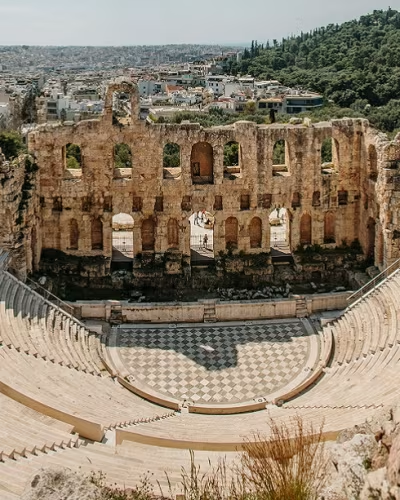
May gives travelers many of Greece’s summer pleasures without the most intense heat and crowds of July and August. Athens is comfortable for sightseeing, while islands such as Crete, Rhodes and Santorini are awakening for the season. Sea temperatures may still feel cool in some locations, but sunny days make coastal exploration especially enjoyable.
 View 35 photos
 View 35 photos
 View 35 photos
June — Portugal
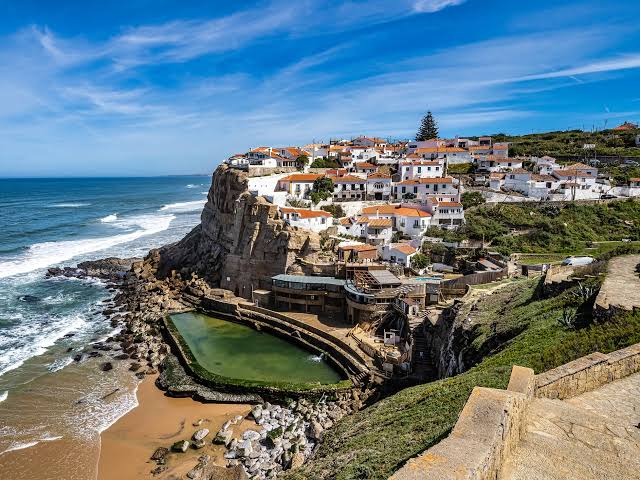
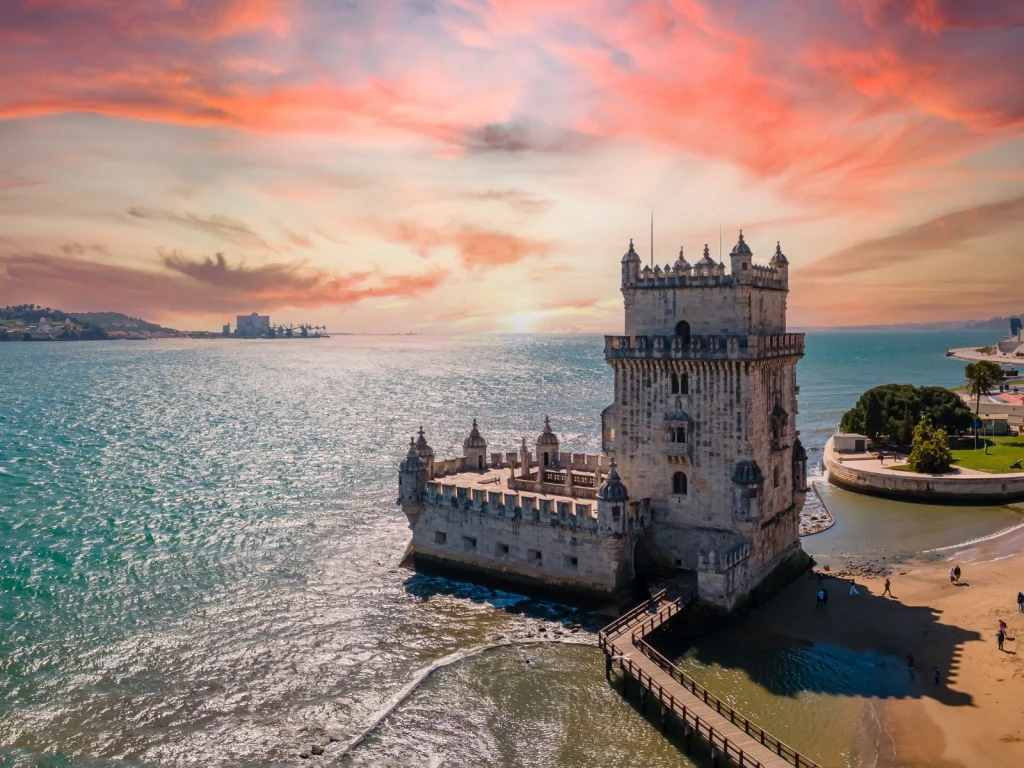
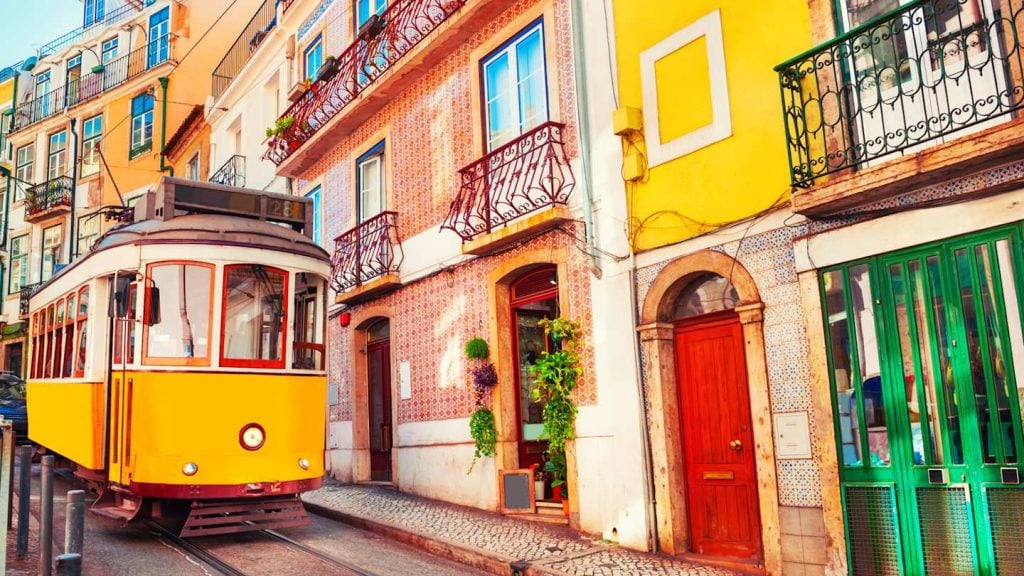
June brings warm weather, long evenings and an unmistakably festive atmosphere to Portugal. Lisbon celebrates the Festas de Lisboa, while Porto hosts São João festivities later in the month. Beyond the cities, travelers can combine beaches, wine regions and historic towns before the busiest part of the European summer arrives.
 View 35 photos
 View 35 photos
 View 35 photos
July — Scotland
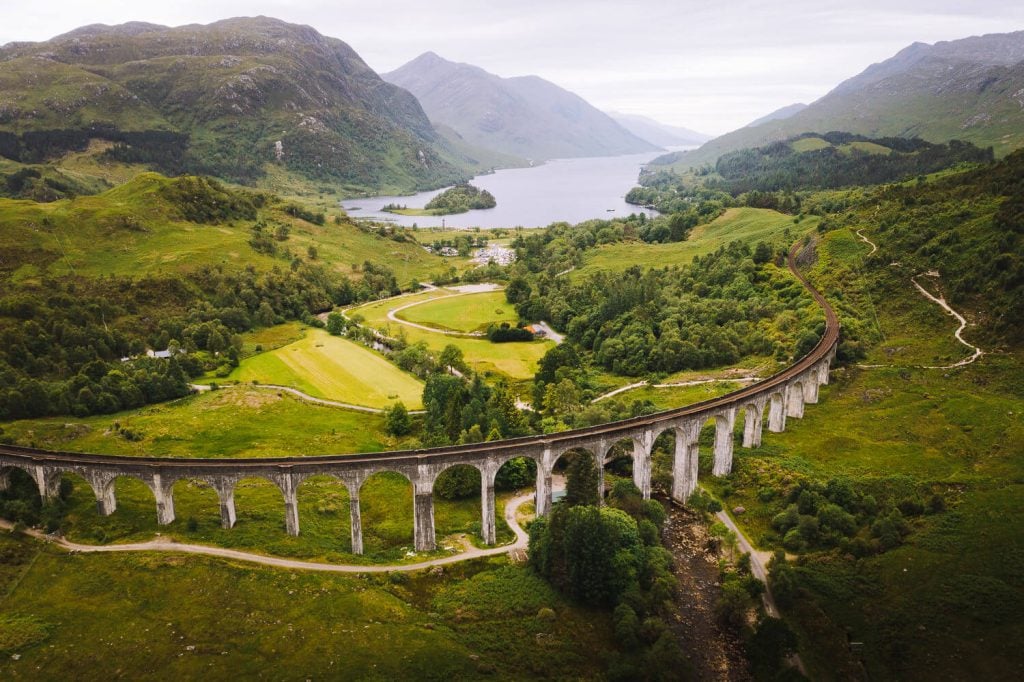
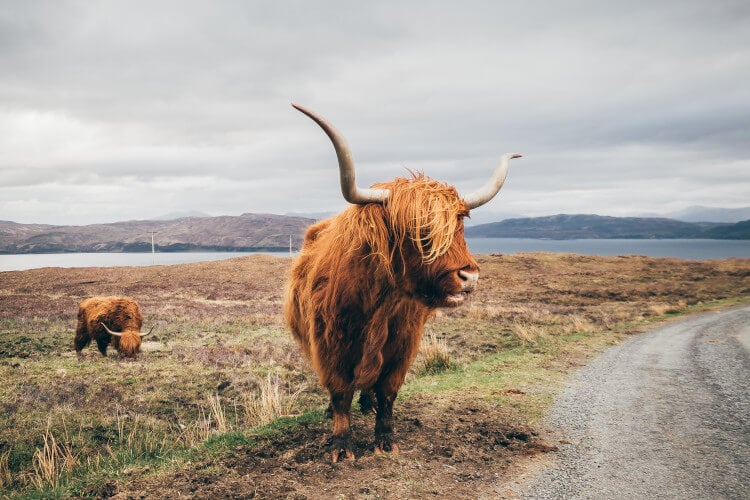
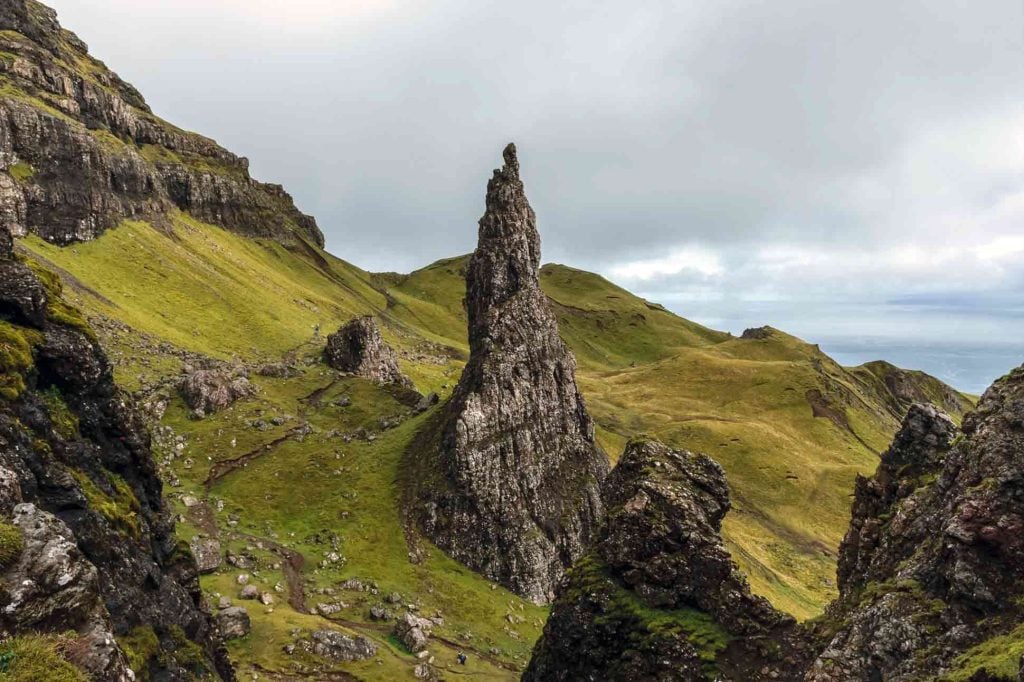
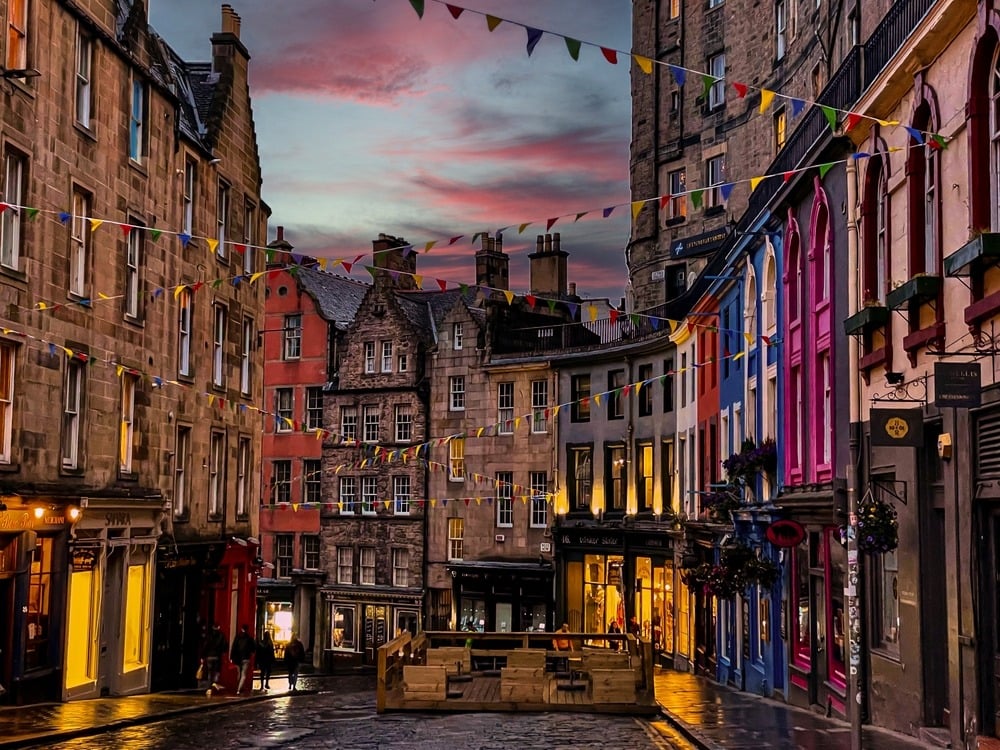
Scotland may never promise predictable weather, but July provides exceptionally long daylight hours and relatively mild temperatures. That extra light is perfect for road trips through the Highlands, hiking on the Isle of Skye or exploring castles without racing against an early sunset. Pack waterproof layers anyway: Scottish rain does not take summer holidays.
 View 35 photos
 View 35 photos
 View 35 photos
 View 35 photos
August — Iceland
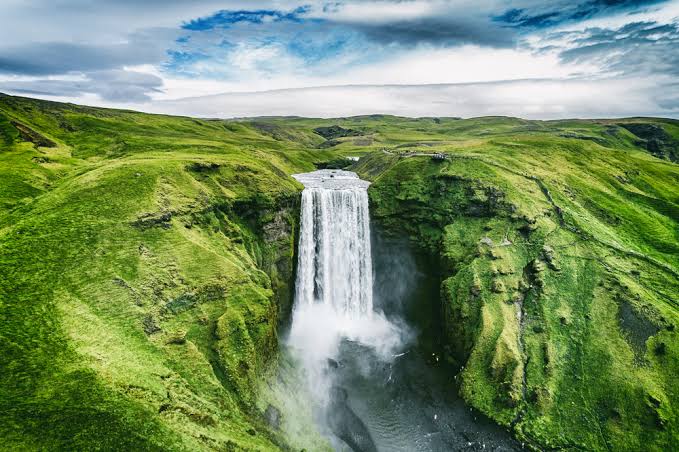
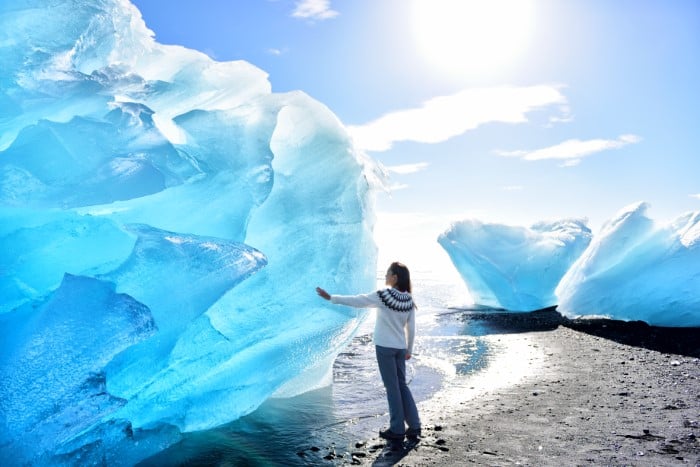
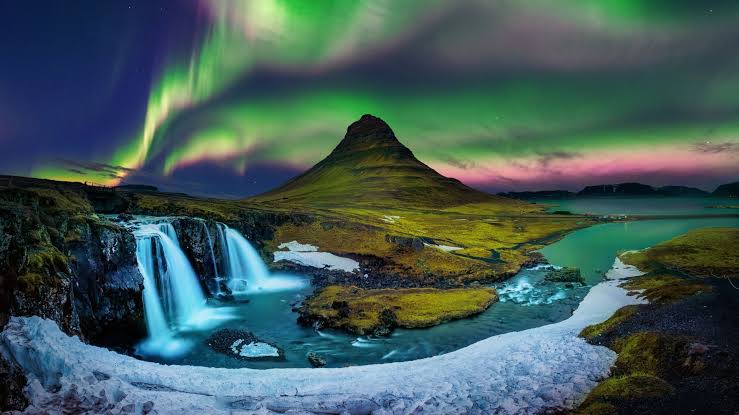
August is one of Iceland’s easiest months for ambitious road trips. Long daylight hours remain, highland routes are more accessible than in winter, and conditions are generally suitable for waterfalls, volcanic landscapes and the Ring Road. It is also a busy period, so rental cars and accommodation can become expensive. Toward late August, darker nights gradually return.
 View 35 photos
 View 35 photos
 View 35 photos
September — Romania
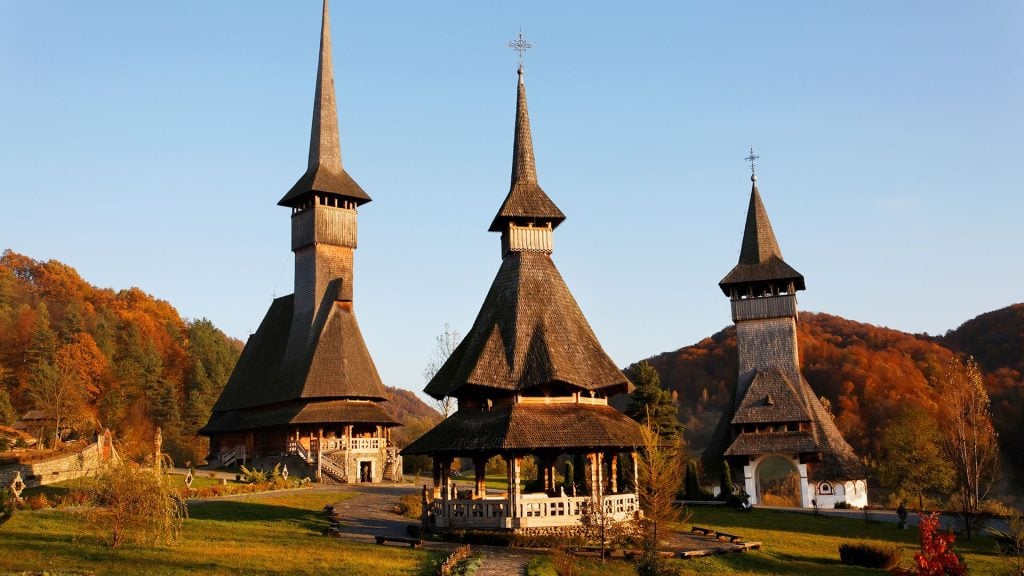
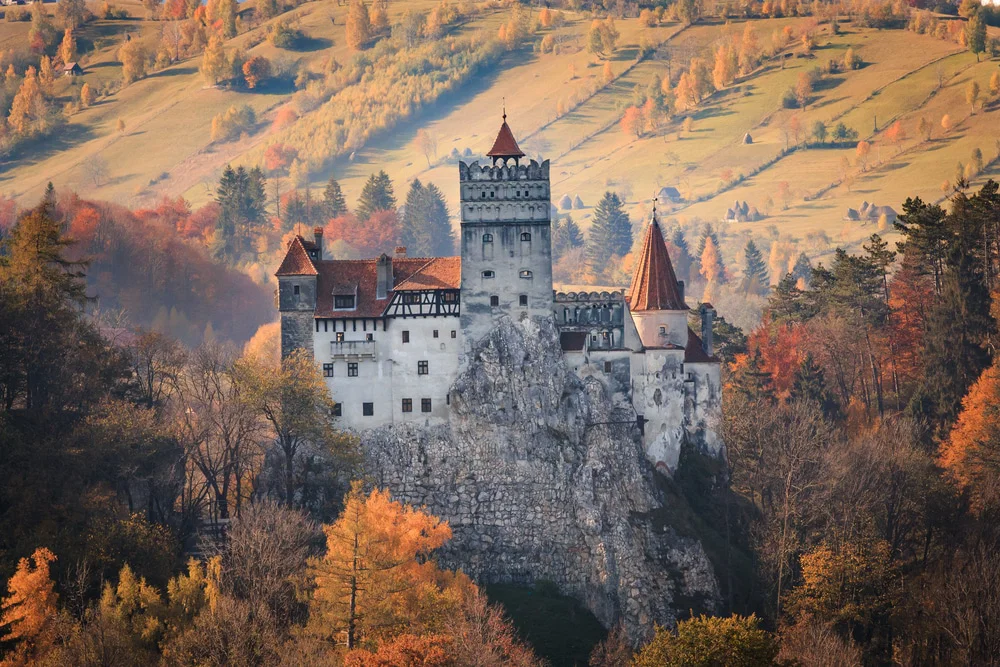
September brings a particularly attractive balance to Romania. Summer crowds begin thinning while temperatures can remain pleasant for exploring Transylvania, medieval towns and the Carpathians. Brașov, Sibiu and Sighișoara fit beautifully into a cultural road trip, while early autumn colors gradually transform the countryside and mountain landscapes.
 View 35 photos
 View 35 photos
November — Egypt
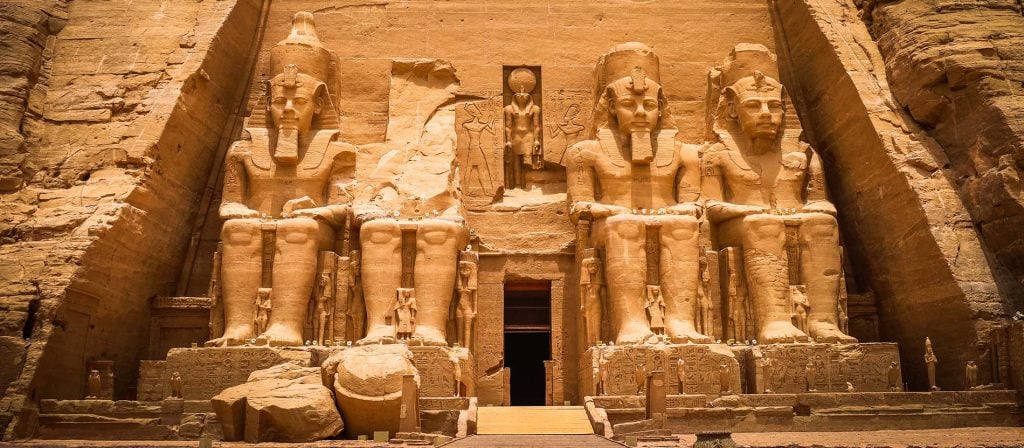
November avoids much of Egypt’s punishing summer heat, making outdoor sightseeing considerably more comfortable. Cairo and Giza can be combined with Luxor’s temples and tombs or a Nile journey toward Aswan. The Red Sea resorts also offer another possibility for travelers interested in diving, snorkeling and sunshine rather than a purely archaeological itinerary.
 View 35 photos
December — Lapland, Finland
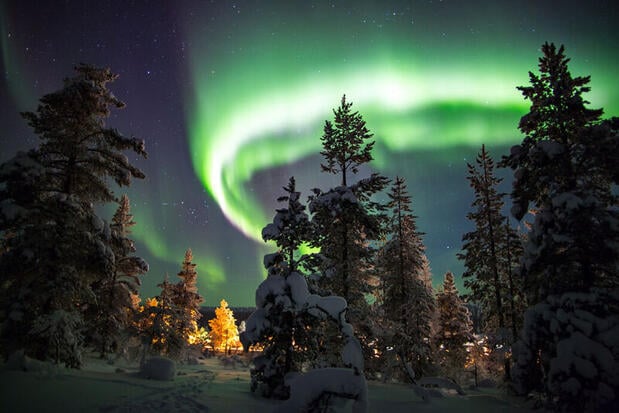
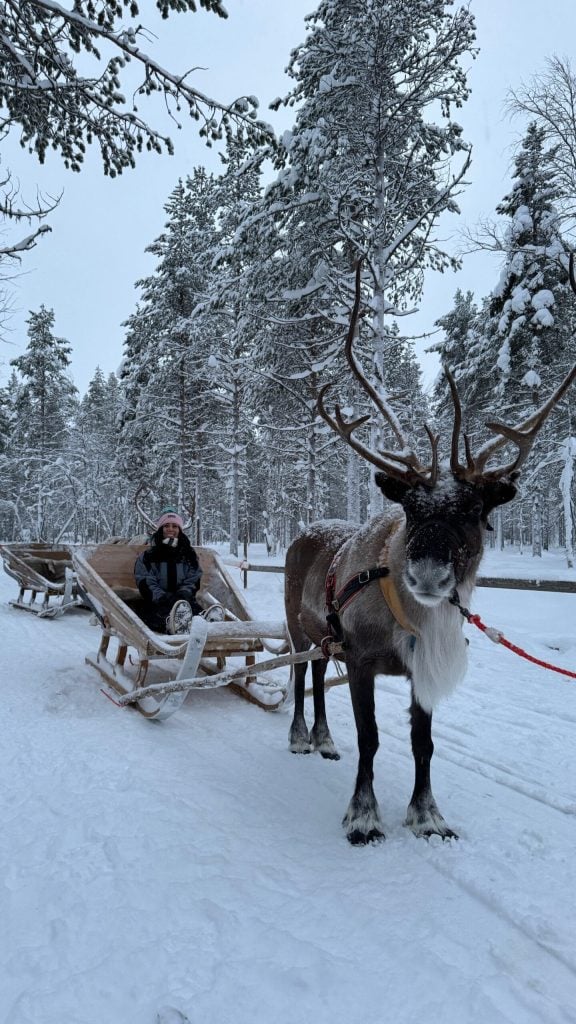
December is when Finnish Lapland most closely resembles its storybook image: snow-covered forests, reindeer, husky excursions and long Arctic nights. Rovaniemi is especially popular around Christmas, while destinations farther north offer quieter wilderness experiences. The polar night means limited daylight in northern areas, but darkness also creates opportunities to see the northern lights when skies cooperate.
 View 35 photos
 View 35 photos
 View 35 photos
The perfect travel calendar ultimately depends on what you value most. Some travelers chase sunshine; others want festivals, hiking weather or snowy landscapes. Matching the season to the experience you actually want is often the difference between simply visiting a destination and seeing why people fall in love with it.