
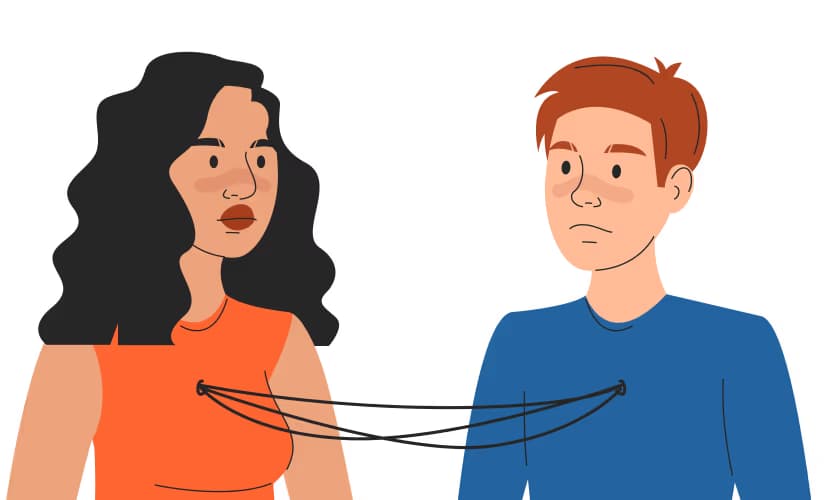
First things first: what is a high-functioning codependent? People guilty of this usually come across as capable, in-control individuals, often seen by their network as helpers. However, this is often control designed as help, as a means to avoid your own personal pain. The constant giving to others is a type of survival mechanism that keeps people from confronting their own emotions by managing the lives of others.
In other words, it’s being overly invested in your loved ones’ lives (their feelings, decisions, and circumstances) to the extent that it damages your own emotional well-being and inner peace. Highly capable people don’t realize they’re high-functioning codependents, and their suffering is invisible—not just to the people around them, but to themselves.
 View 5 photos
The emotional cost is high. When you constantly manage other people’s expectations and needs, it can drain your own mental energy. Redirecting that energy toward your own growth and goals can help you achieve so much more, but it’s difficult for people who are prone to this behavior.
Signs of high-functioning codependence
You’re constantly people-pleasing
Your niceness is strategic. You can read the room and anticipate the needs of others, but it’s not empathy. In reality, it’s a complex survival mechanism you’ve developed over time to deflect from yourself.
You’re afraid to shine
You’re as dazzling as a diamond, but you constantly dim your light, because shining too much can feel dangerous. You worry it might make you a target, trigger resentment in others, or lead to getting criticized if you’re in the spotlight. You highlight the achievements of others all the time, but play down your own, because if you remain invisible, you can’t get hurt.
You find it difficult to identify your self-worth beyond your achievements
You find it challenging to define yourself without your accomplishments. Over the years, you’ve learned to define yourself by how productive you are. This mindset often comes from unresolved childhood shame manifesting in being a workaholic, a perfectionist, and constantly seeking external validation through what you achieve.
 View 5 photos
You’re a compulsive helper
You help to the point that it’s a little toxic—you are used to getting overinvolved and giving without pause. Your motivation? Avoiding conflict and managing the emotional landscapes of others. Being efficient with others’ problems hides a storm inside you filled with quiet exhaustion and unmet needs.
Your perfectionism is emotional armor
You perform impeccably, but it’s not an achievement. It’s a carefully constructed shield, a facade that says “everything is fine over here” while your inner world remains in turmoil and filled with unprocessed emotions.
 View 5 photos
You automatically self-sacrifice
Self-sacrifice has become your default setting at this point. In your eyes, to belong means to fully self-abandon. You pour your attention into others while your needs become footnotes in a book where everyone else is the main character but you.
You mask your hyper-independence as strength
You appear highly capable to everyone you meet. But beneath that tough exterior, you find it deeply difficult to be vulnerable and not just receive support, but ask for help when you need it most.
How to fix high-functioning codependence
Make lists and assess relationships
You can start with a ‘subscription fee assessment’ where you take stock of relationships with costs that exceed their value. Identify the energy vampires in your life (especially high-conflict people), those who make you feel as though you’re walking on eggshells, and people who require a lot of emotional labor, leaving you feeling drained.
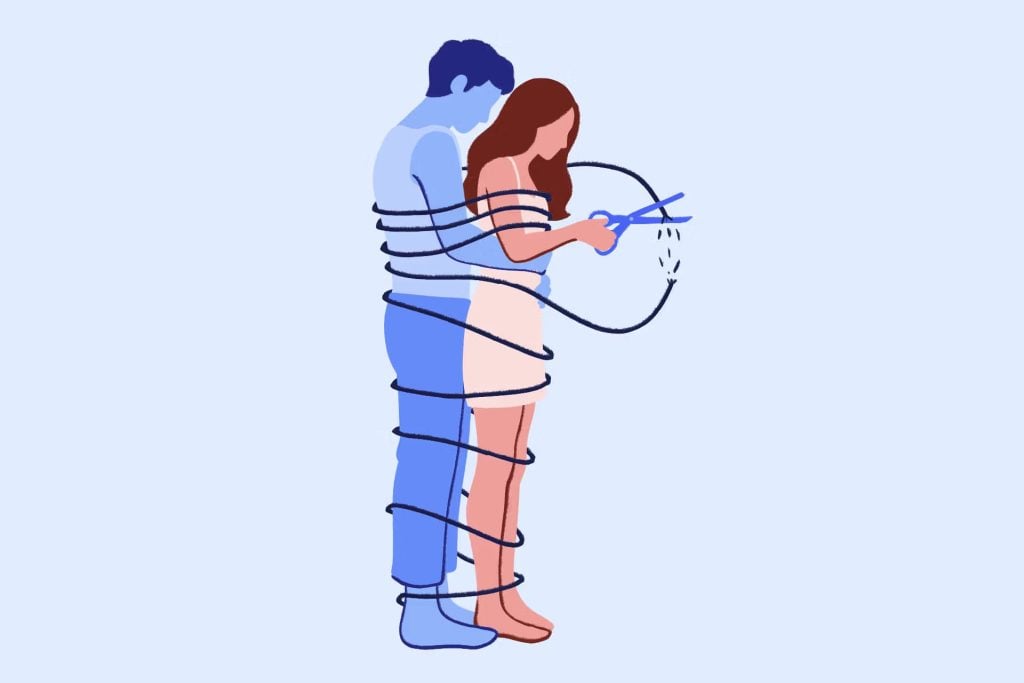
Next, make a savior list—this will work on the part of you that always wants to save others and be overly generous with them. Put yourself at the top of the list, and include reasons you might give, with clear boundaries in place. Be specific about what your limits are in how you contribute and help others.
Practice radical self-awareness
You don’t need to be perfect, but you do need to create a distinction between an automatic response and a conscious choice. Begin by practicing the basics of emotional regulation: pause and reconnect with yourself, and try to recognize when you get triggered. When you do, you can ask yourself three questions to get to the bottom of the emotional response. Where have I felt this way in the past? Why does this dynamic feel familiar? Who does this person remind me of?
 View 5 photos
Try practical grounding techniques
Take three slow, deep breaths as a way to reset your nervous system. You can also explore other breathing methods such as box breathing or the 4-7-8 method. Make a deep humming sound to activate the vagus nerve and self-soothe. Practice aromatherapy, breathing in scents that calm you, whether that’s nature, some lavender sprigs or essential oils, or even your pet!
Practice sitting with discomfort without trying to fix it right away
Personal growth is painful but necessary, and taking small steps to practice self-awareness will only help you feel more liberated in the end, even if it does take time to grieve the hyper-vigilant codependent you once were.