
We all have different jealousy styles (even if we don’t want to admit that the green monster gets us all once in a while). Our jealousy styles act as a mirror to our attachment styles, telling us whether our nervous system feels safe in a bond or is looking for threats. The way you process and express those emotions has a major effect on intimacy and trust in your relationships.
Anxious Jealousy
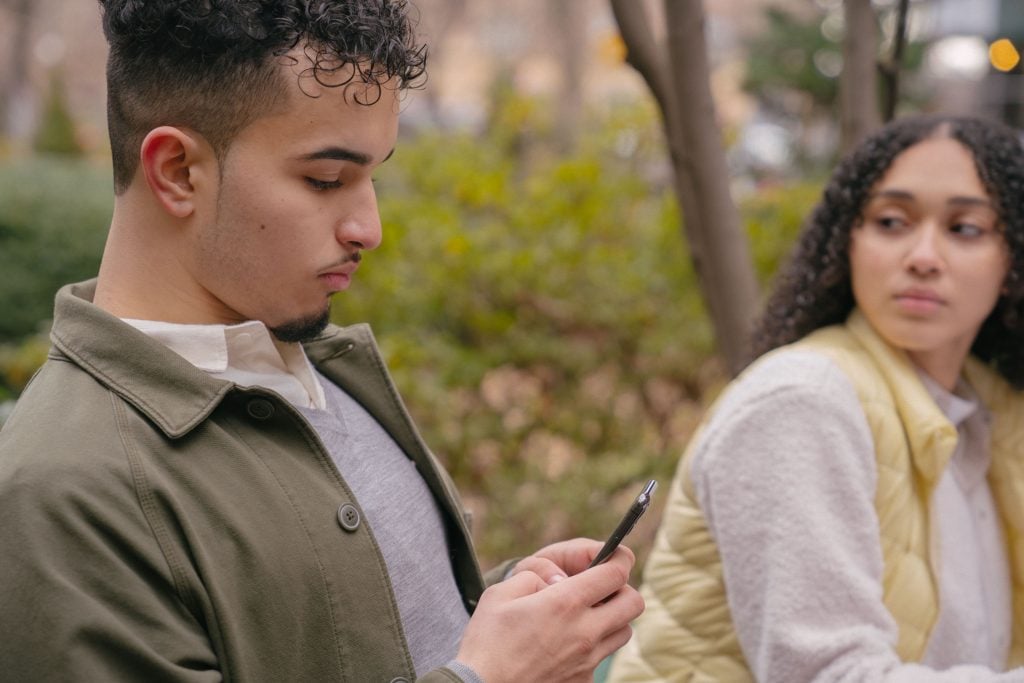
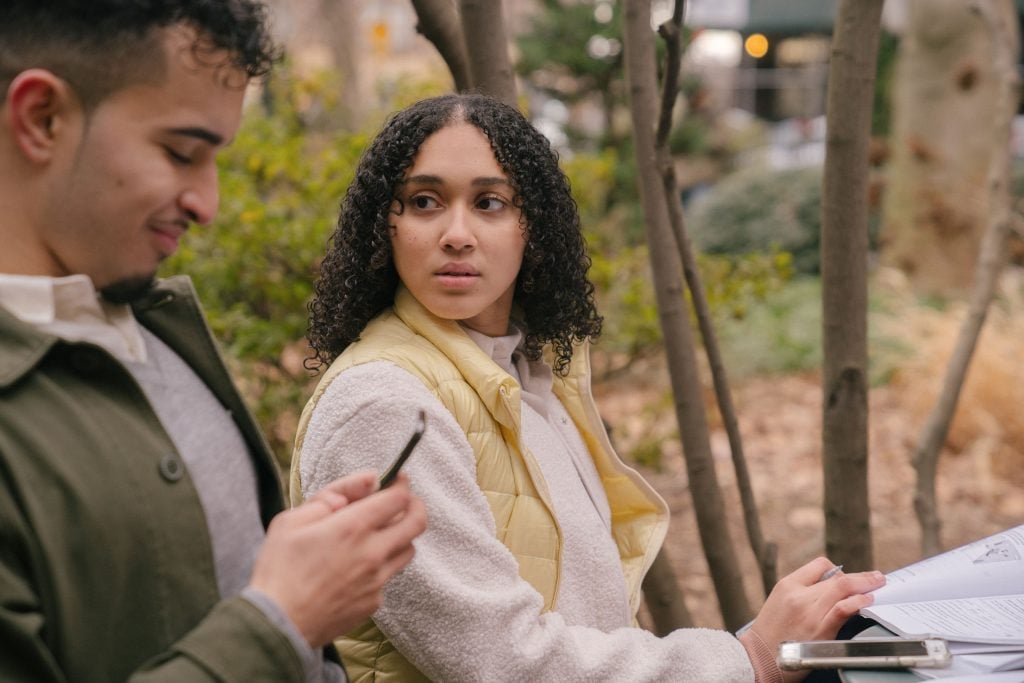
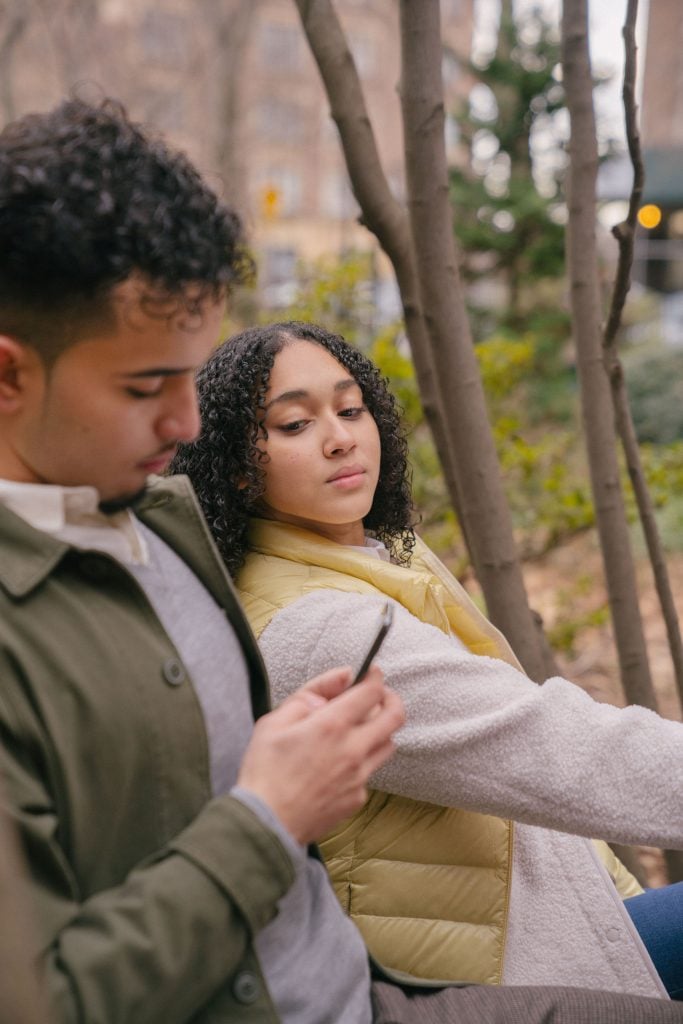
This kind of person is always on high alert with surveillance behaviors. They may be constantly checking their partner’s phones, nagging them about their whereabouts, or requiring constant reassurance. This means that your system is frozen in high alert—you are scared that you’ll be abandoned, and as a result, the temporary distance or quietness that’s normal in healthy relationships becomes a threat to you instead. This is exhausting, controlling behavior that unintentionally creates the very distance you’re trying to keep at bay.
 View 16 photos
 View 16 photos
 View 16 photos
Controlling Jealousy
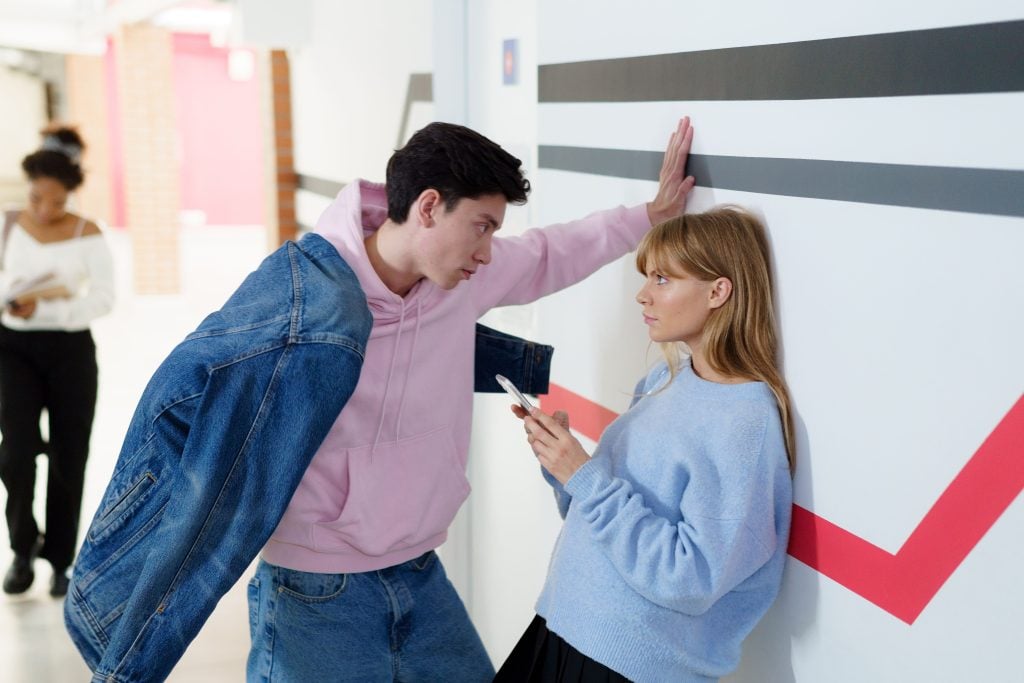
The controlling jealous person often makes their partner feel trapped—they set rigid rules about who their partner can talk to, obsessively track their physical locations, or issue ultimatums. This behavior often happens due to a past trauma or attachment injury (perhaps they’ve been cheated on) that turns fear into a desire for power and control. This behavior doesn’t just lead to resentment and erase trust but can turn into a form of emotional abuse if it goes unchecked, effectively turning a relationship into a crisis zone without reprieve.
 View 16 photos
 View 16 photos
 View 16 photos
Avoidant Jealousy
People who experience avoidant or ‘hidden’ jealousy are often in denial. about the fact that they feel jealous. They often insist that they do not feel jealous and may react by emotionally withdrawing or picking fights over minor, irrelevant issues. This often means that you’re hyper-independent and see vulnerability as a weakness, refusing to admit insecurity. This self-protective distance stops you from being honest and communicating well in a relationship, leaving behind unaddressed insecurities and making it impossible for your partner to offer comfort.
Secure Jealousy
This style means that the person has a baseline comfort with getting vulnerable at least occasionally, and it’s the healthiest form of jealousy. It might involve feeling a sudden sensation of discomfort or jealousy, acknowledging that feeling as a sign of jealousy, and discussing it calmly with a partner. This is a sign that your relationship can handle messy and sometimes difficult emotions without breaking—being vulnerable lets your partner feel vulnerable. This turns moments of insecurity into a chance for deeper communication and growth.
 View 16 photos
How to work through jealousy as a couple
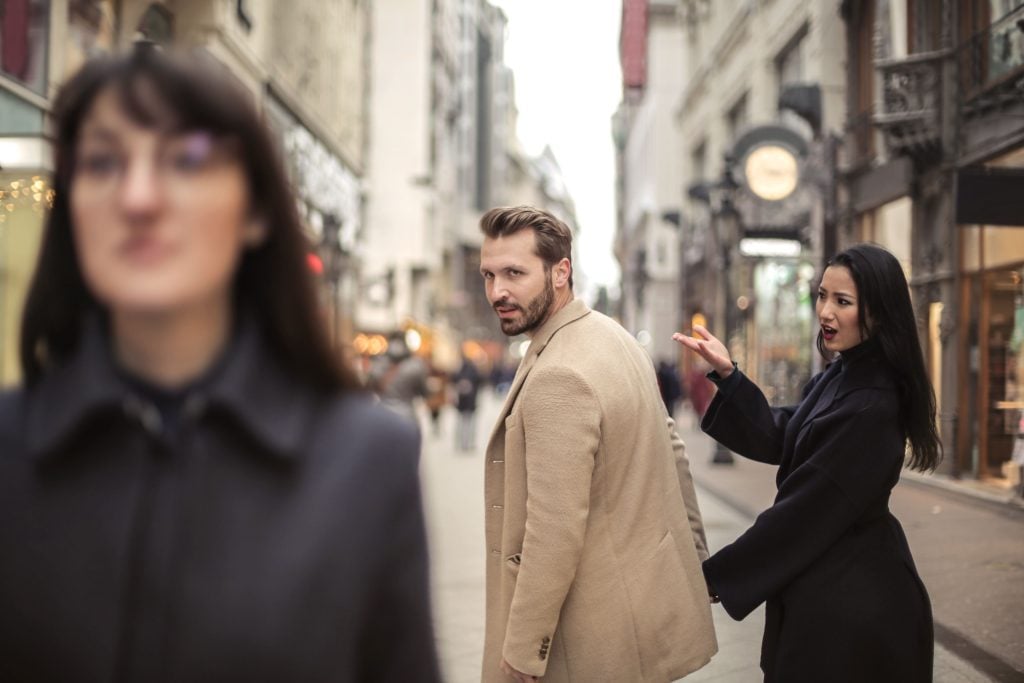
Jealousy might start as an uncomfortable sensation, but when handled well with your partner, it can turn into an opportunity to grow. Jealousy can also be transformed into a positive energy that puts you right back into that flirty honeymoon phase.
When jealousy arises, the way that you express it matters. Owning your feelings matters. Having the language to communicate it without placing blame matters. And if you’re someone whose partner experiences jealousy, it’s important to validate their emotions and offer reassurance, regardless of whether the behavior was actually problematic or not.
 View 16 photos
Rather than waiting for jealousy to flare up randomly, consider creative proactive rituals and routines that help build a baseline of security, such as established check-in times, moments of connection, and other small moments that naturally build trust.